
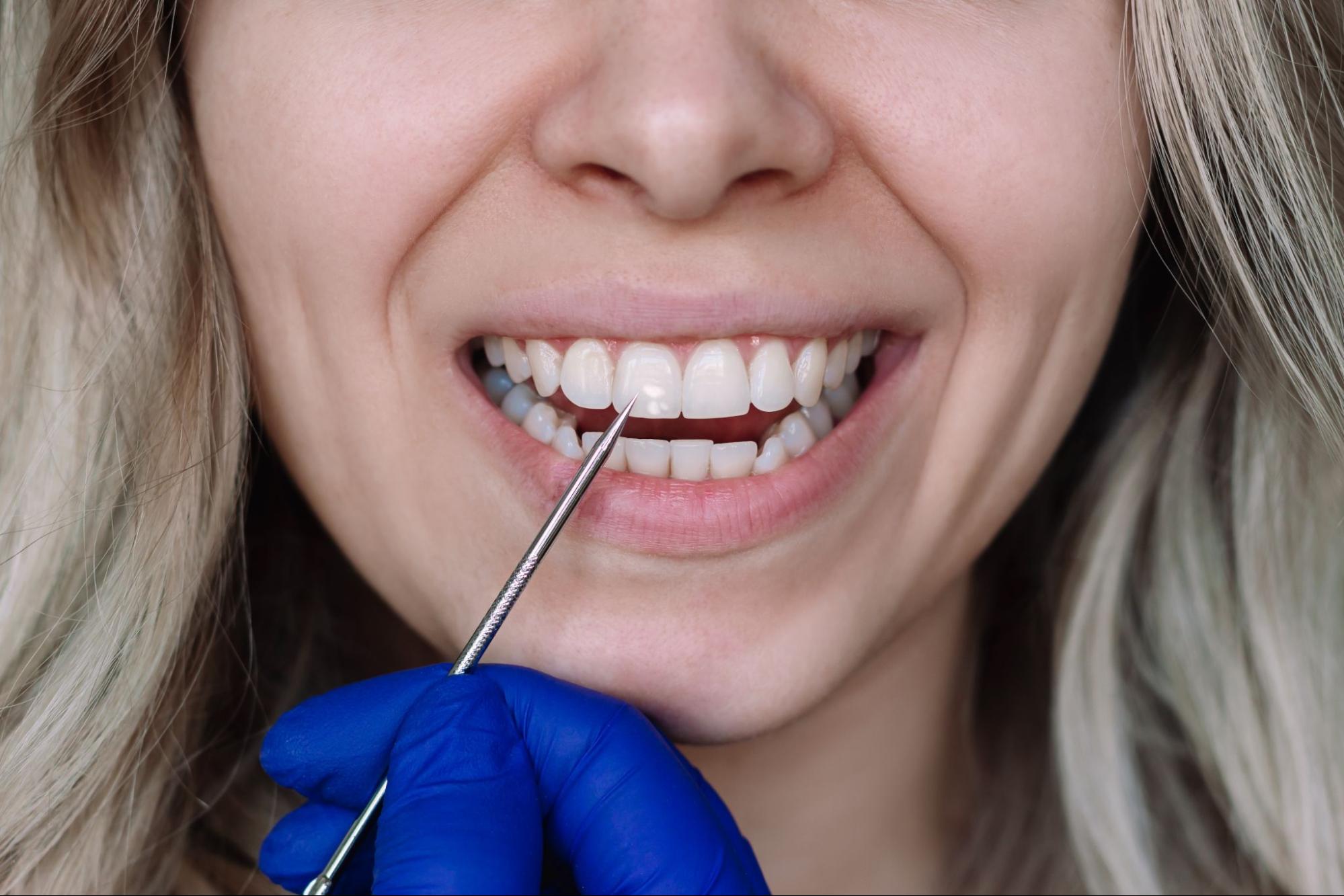
White spots after braces are one of the most common (and most preventable) frustrations in orthodontics. The good news? With a few smart habits and the right care, you can keep your enamel strong and your smile spotless. Here’s what causes those chalky marks, and exactly how to fix them.
What Are White Spots on Teeth?
White spots are areas of demineralized enamel where minerals like calcium and phosphate have leached out of the tooth surface, leaving behind chalky, lighter-colored patches. They’re most often spotted around brackets after braces come off, and they’re actually an early sign of decay. Caught early, they can often be reversed before they turn into cavities.
So why do they show up in the first place? Plaque bacteria produce acid every time you eat or drink something sugary or starchy. That acid pulls minerals out of your enamel, weakening it from the outside in. Over time, the weakened spots scatter light differently than healthy enamel, which is what gives them that frosty, opaque look.
Here’s the encouraging part: these chalky marks aren’t permanent. With early action, fluoride, and the right hygiene routine, you can stop the process and even rebuild lost minerals. Dr. Jeffrey Heinz, DDS, and our team make this a major focus during every visit, because a straight smile should also be a healthy one.
How Do White Spots Form During Treatment?
White spots form when plaque builds up around brackets and along the gumline, and the bacteria inside that plaque produce acid that strips minerals from your enamel. The longer plaque sits, the more demineralization happens. Areas that are hard to brush become the most vulnerable, which is why braces increase the risk.
Here’s the step-by-step of how it happens:
- Plaque collects around brackets, under wires, and along the gumline.
- Bacteria feed on sugars and carbs from food and drinks.
- Acid is produced as a byproduct, lowering the pH in your mouth.
- Minerals leach from your enamel surface (calcium and phosphate).
- Chalky white patches appear where the enamel has weakened.
A few habits speed this process up. Frequent snacking keeps your mouth in a constant acidic state, giving enamel no chance to recover. Sugary drinks, sports drinks, and even fruit juices feed the same cycle. Skipping nighttime brushing? That’s eight hours of uninterrupted acid exposure.
The trickiest part is that demineralization is invisible at first. By the time you can see a spot forming, the damage is already underway. That’s why prevention matters more than treatment, and why every part of the Heinz family gets coaching on the small daily habits that protect enamel during braces.
The 5 Mistakes That Cause White Spots (and How to Fix Them)
Most white spots come down to a handful of fixable habits. Here are the five biggest mistakes we see, and what to do instead.
Are You Brushing Too Fast?
A 30-second swipe doesn’t cut it with brackets and wires in the way. Plaque hides in spots you can’t feel.
The Fix: Brush for a full two minutes, twice a day. Tilt your brush above and below each bracket. An electric toothbrush makes this much easier, especially around hardware.
Are You Grazing All Day?
Constant snacking and sipping keeps your mouth in acid-attack mode. Even healthy snacks count if they’re frequent.
The Fix: Stick to structured meals with water in between. Give your enamel a chance to remineralize between bites. Save sweets for mealtime, not as standalone treats.
Are You Ignoring Early Warning Signs?
Chalky spots, faint sensitivity, or rough patches near brackets are red flags. Most people brush them off and keep going.
The Fix: Speak up at your next visit. Dr. Heinz can spot early demineralization and recommend fluoride varnish or a remineralizing paste before it gets worse. DentalMonitoring also helps us catch changes between visits.
Are You Trusting Internet Advice Over Your Orthodontist?
DIY whitening, charcoal toothpaste, and viral hacks can make white spots more noticeable, not less. Some even damage enamel further.
The Fix: Ask your favorite hometown orthodontist before trying anything new. Dr. Heinz and our team will guide you toward products that actually protect your smile during treatment.
Should You Skip Flossing?
Flossing is the step most people drop during braces, and it’s the one that matters most. Toothbrushes can’t reach between teeth.
The Fix: Floss every night using a floss threader, orthodontic floss, or a water flosser. Get under the wire and between every tooth. It takes a few extra minutes, but it’s the single biggest habit for preventing white spots.

Benefits of Preventing White Spots Early
Stopping these chalky marks before they start pays off in a big way once your braces come off. Here’s what good prevention buys you:
- A clean, even smile with no chalky shadows where brackets used to be
- No costly repairs like bonding, microabrasion, or cosmetic touch-ups later
- Stronger enamel that’s more resistant to future cavities and sensitivity
- Confidence on day one of your debracketing visit, with amazing results you’ll want to show off
Think of it this way: you’re already investing time and effort in your smile journey. A few extra minutes of brushing and flossing each day protects everything you’ve worked for. It’s a simple daily routine that pays back many times over by keeping your enamel healthy and your final result looking its best.
Prevention vs. Treatment: What Works Best
Prevention is always easier and less expensive than fixing white spots after the fact. Daily fluoride, careful brushing, flossing, and smart diet choices stop demineralization before it starts. If spots do appear, early action with remineralizing pastes and fluoride varnish can often reverse them. More established spots require restorative options.
Here’s how the options compare:
| Approach | When It’s Used | What’s Involved |
|---|---|---|
| Prevention | Daily, during braces | Fluoride toothpaste, flossing, water flosser, diet control |
| Early Remineralization | First sign of white spots | Prescription fluoride paste, in-office varnish, MI Paste |
| Resin Infiltration | Set-in white spots | A tooth-colored resin, like Icon, fills the porous enamel |
| Microabrasion | Surface-level spots | Gentle polishing to blend the enamel appearance |
| Cosmetic Bonding or Whitening | Severe or stubborn cases | Bonding to mask spots, or whitening to even tone |
Dr. Heinz will recommend the right step based on how early the spots are caught. The earlier we act, the simpler the fix, and the less it tends to cost.
How Much Does Fixing White Spots Cost?
Correcting white spots can range from very affordable to more involved, depending on three things: how severe the demineralization is, how many teeth are affected, and which treatment is needed. Light remineralization with fluoride sits at the low end, while resin infiltration or cosmetic bonding costs more. Catching things early almost always means a smaller bill and a gentler fix.
Here’s what shifts the price:
- Severity and number of teeth affected, from a single faint spot to multiple visible ones
- Type of treatment chosen, with remineralization being the most affordable and bonding being the most involved
- Whether prevention is bundled into your world-class orthodontic care at Heinz Orthodontics + Aesthetics
- How early it’s caught with tools like DentalMonitoring, which flags issues between visits
This is one of the reasons our office invests in monitoring technology. Spotting a change early means we can often reverse it with a tube of paste rather than a restorative visit. The real value of early care isn’t just the savings, it’s keeping your natural enamel intact and your smile looking exactly the way you pictured it from the start.
Are You at Risk for White Spots?
Some people are more prone to white spots than others. Knowing your personal risk helps you and Dr. Heinz build a prevention plan that actually works for your daily habits and lifestyle.
You may be at higher risk if you:
- Wear modern metal braces or Pitts21 self-ligating braces, which create more surfaces for plaque to cling to
- Snack or sip sugary drinks throughout the day
- Brush inconsistently or skip flossing
- Have dry mouth from medications, mouth breathing, or dehydration
- Eat or drink acidic foods often, including citrus, soda, and sports drinks
- Have a history of cavities or naturally weaker enamel
If two or three of these sound like you, don’t worry. A short risk assessment with our team is the best way to spot trouble areas and put a prevention plan in place. Good hygiene paired with regular orthodontic visits helps reduce the risk of demineralization during treatment.
Frequently Asked Questions
Can white spots from braces go away on their own?
Early white spots can often improve with consistent care, but they rarely vanish completely without help. Fluoride, remineralizing pastes, and a strong hygiene routine give your enamel the best chance to rebuild. The sooner you start, the better the result, which is why Dr. Heinz checks for early signs at every visit.
How long does it take for white spots to form during braces?
Demineralization can begin within a few weeks if plaque sits undisturbed around brackets. It’s gradual at first and invisible until the enamel weakens enough to look chalky. Daily brushing, flossing, and limiting frequent snacking slow the process dramatically.
Are white spots a sign of permanent damage?
Not always. Caught early, white spots are reversible because the enamel is weakened but not yet broken down into a cavity. Once a spot has been set in for a long time, restorative options like resin infiltration or bonding may be needed to blend the appearance.
What’s the best way to prevent white spots with braces?
Brush two minutes twice daily, floss every night with a threader or water flosser, use fluoride toothpaste, and keep snacking to structured mealtimes. Dr. Jeffrey Heinz, DDS, and our team can also recommend prescription fluoride or in-office varnish for added protection.
Does the type of braces affect my white spot risk?
Any braces with brackets create more surfaces where plaque can hide, including modern metal braces and Pitts21 self-ligating braces. Good hygiene matters more than the appliance itself. With the right routine and regular monitoring, you can keep your enamel strong from day one to debracketing day. Each part of the Heinz family gets the coaching needed to protect their smile at every stage.
Protect Your Smile During Treatment
White spots are easier to prevent than they are to fix, and the right daily habits make a major difference. Whether you are in braces in Grand Rapids, exploring clear aligners, or comparing options with Dr. Heinz, our team is here to help you keep your teeth healthy from your first visit through your final retainer check.
Heinz Orthodontics + Aesthetics welcomes patients from Grand Rapids, Rockford, and nearby communities for braces, clear aligners, and personalized orthodontic care. Learn more about our treatments or schedule a free consult to get started.